

A putter looks simple, but it is often the club that decides whether a good hole becomes a par or a frustrating bogey. Most golfers use the putter more often than any other club, so the wrong model can cost strokes every round.
The best putter is not automatically the most expensive one. It is the putter that matches your stroke shape, setup, eye position, preferred feel and confidence at address. This guide explains the key choices in simple terms so you can buy with a clear plan.
Player or stroke type |
Best putter choice |
Why it works |
Straight or slightly arcing stroke |
Face-balanced mallet or double-wide putter |
High stability and easier face control through impact |
Clear arc in the stroke |
Blade or toe-hang putter |
Allows the face to open and close more naturally |
Alignment problems |
Mallet with strong alignment lines |
Helps aim the face and start putts online |
Poor distance control |
Putter with good feedback and suitable head weight |
Improves feel on lag putts and pace control |
Overactive hands |
Larger or shaped grip |
Reduces wrist action and supports a smoother stroke |
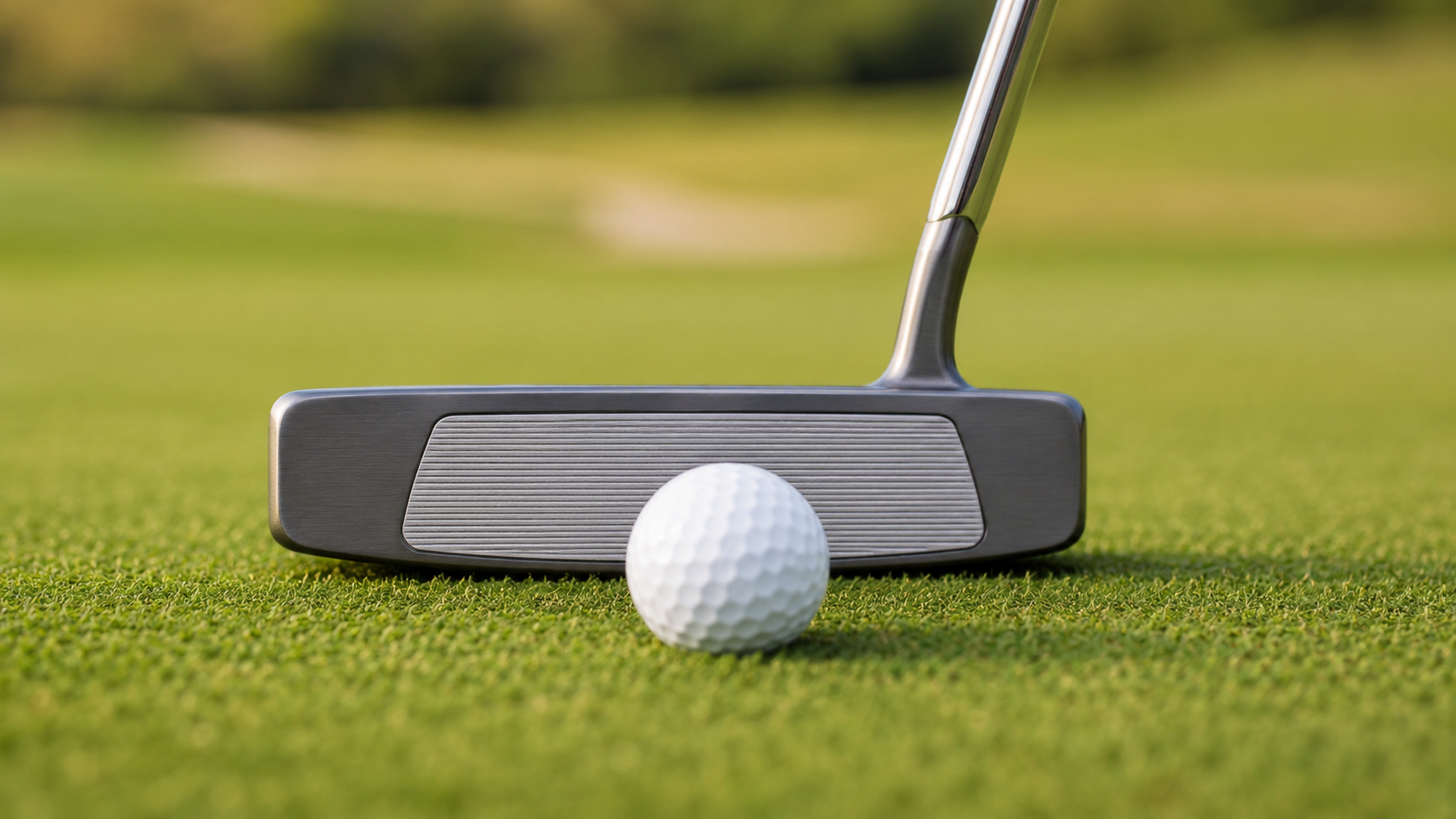
Blade putters are compact and traditional. They provide clear feedback, but they are usually less forgiving on off-centre strikes. Many players who like feel and a natural release enjoy a blade shape.
Mallet putters use a larger head and more perimeter weighting. That extra stability can help amateur golfers keep the face square, especially on short putts. Mid-mallet putters sit between the two options and can be a strong compromise for players who want stability without a very large head.
A face-balanced putter is designed for a straighter stroke with less face rotation. A toe-hang putter is better suited to a stroke that moves on more of an arc.
Choosing the wrong balance can make it harder to return the face square. Before buying, think about your natural stroke rather than copying a tour player or choosing only by brand.
Standard length does not fit everyone. A putter that is too long can make you stand too upright. A putter that is too short can create tension in the back and shoulders.
A good fit lets your arms hang naturally, your eyes sit over or just inside the ball line, and the sole of the putter rest comfortably on the green.
A thin grip gives more feedback but can make the hands too active. A thicker grip can quiet the wrists and help players who push or pull putts. The right choice depends on the putter head, your hand size and the feel you prefer.
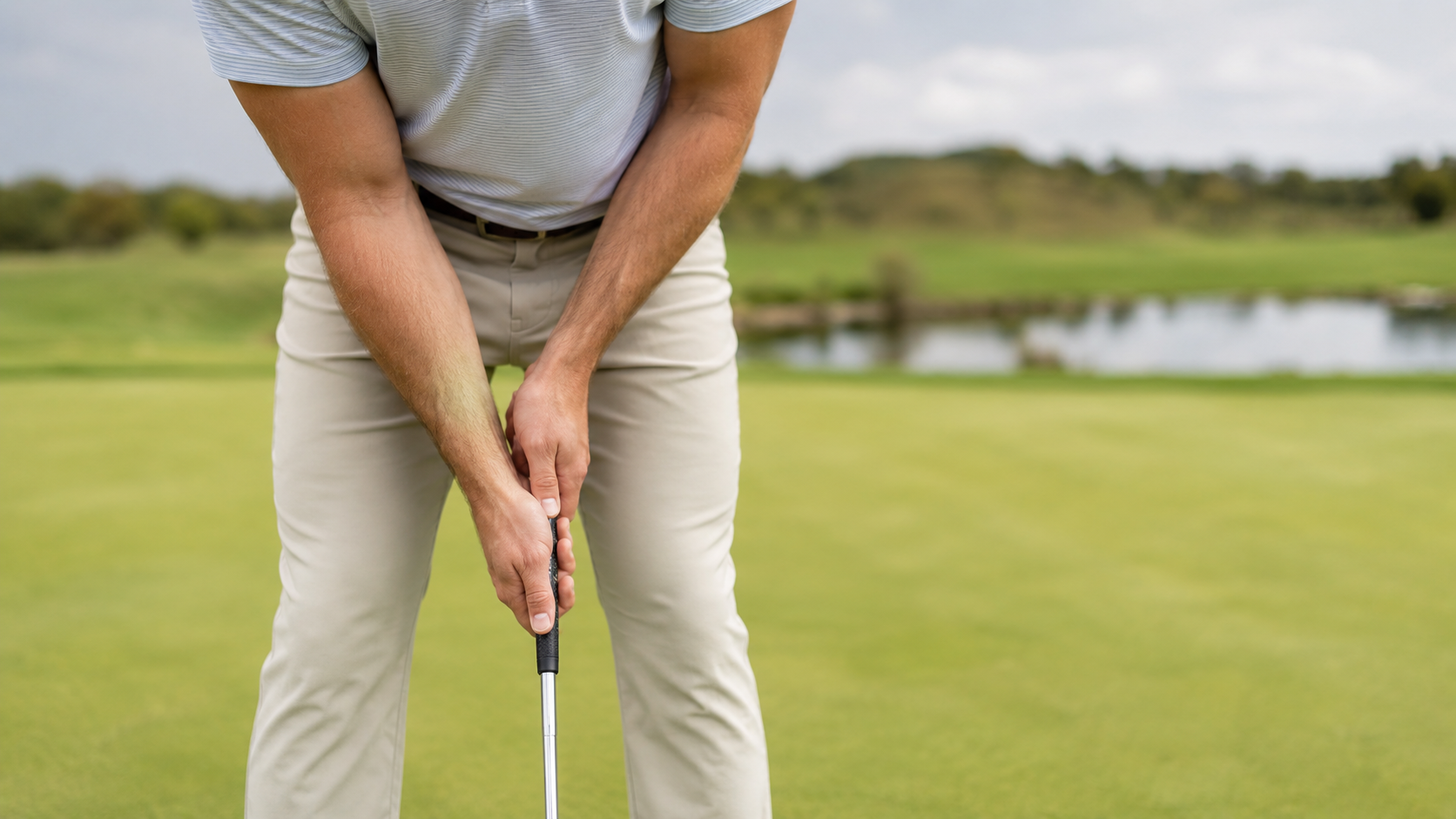
The right putter does not make the stroke for you, but it makes a repeatable stroke easier. When head shape, balance, length and grip work together, putts start on line more often and distance control becomes more reliable.